Skip to the main content.

about_mega


Your Path to Medical School Success

MedEdits Medical Admissions is the nation's premier medical school admissions consulting firm. Since 2007, founder Jessica Freedman, M.D., and our team of physician educators have guided thousands of aspiring medical professionals through their premedical and medical school journey. Our faculty advisors bring invaluable insider knowledge from serving on medical school admissions committees, education committees, and hospital boards. Combined with our specialized medical admissions writing coaches, we provide the comprehensive guidance and industry expertise essential for acceptance to medical school, residency, and fellowship programs.

39 min read

Medical School Personal Statement Examples and How to Write Your Own

Medical School Personal Statement Examples and How to Write Your Own

A physician and former medical school admissions committee member shares eight full medical school personal statement examples, explains why each one works, and shows you how to structure your own.

I have read thousands of medical school personal statements, first as an admissions committee member and associate residency director at the Icahn School of Medicine at Mount Sinai and then as the founder of MedEdits. In this guide, I share full-length medical school personal statement examples with my commentary on each, along with the structure, template, and strategies I teach every applicant I advise.

You will find examples for AMCAS, AACOMAS, and TMDSAS applicants, two weak excerpts rewritten so you can see exactly what changes, the current personal statement prompts and character limits, and a step-by-step personal inventory and outline exercise. My goal is to help you write a personal statement that reflects your individuality, your truest aspirations, and your genuine motivations, and that earns you more interview invitations.

Why Your Medical School Personal Statement Matters

Admission to medical school remains highly competitive. According to AAMC data released in December 2025, 54,699 people applied to U.S. MD-granting medical schools in the 2025 cycle, and 23,440 matriculated. That means more than half of applicants did not enroll. Most applicants have completed their medical school requirements and have competitive GPAs and MCAT scores, so the personal statement is often what separates an interview invitation from a rejection.

Your personal statement is your opportunity to show medical schools who you are beyond your numbers: the influences and background that shaped your values, what inspired you to pursue medicine, and what kind of physician you hope to become.

Insider Knowledge and Expertise

Most people offering personal statement advice online have never served on an admissions committee or practiced medicine. I have done both, and my team of physician advisors has too. We know what happens behind closed doors when committees discuss applicants, and we know how to help you write a personal statement with broad appeal that highlights your most important experiences and insights.

FREE DOWNLOAD: The Ultimate Guide to the Medical School Personal Statement

With tight limits on space, it can be hard to decide what to include. Before you write, ask yourself three questions. What are the most important things you want a reviewer to remember about you when they finish reading? Does your statement capture your personality, interests, and talents? And does it sound as if it is written from the heart? Reviewers can tell immediately when applicants are trying too hard to impress. Being authentic and upfront about who you are is the best way to be memorable.

"After sitting on a medical school admissions committee for many years, I can tell you that we want to know who you are as a human being. Think strategically about how you present your personal big picture."

The Biggest Medical School Personal Statement Mistakes

The most common mistake I see is an essay that describes only what an applicant has accomplished and how. That approach makes you sound like every other applicant, because most applicants participate in similar activities: research, clinical work, community service, and advocacy. A list of accomplishments in paragraph form reads like a résumé, and your AMCAS Work and Activities section already covers that ground.

Other mistakes I see often as a reviewer include opening with a cliché such as "Ever since I was a child," telling the reader you are compassionate instead of showing it, spending too much space on childhood and high school, ending without explaining what kind of physician you want to become, and crowding the essay with too many experiences to explore any of them in depth.

I also strongly discourage applicants from using ChatGPT or any other AI tool to write their personal statement. Writing in your own voice is essential, and admissions readers are increasingly attuned to essays that sound generic or machine generated.

The Medical School Personal Statement Secret

MedEdits students stand out because their personal statements explain why they have done what they have done. They write about their passions, their interests, and what is genuinely important to them. It sounds simple, but when you focus on why you do what you do, you appeal to a wide variety of readers in a human way.

MedEdits students have done extremely well in recent admissions cycles, and many have earned interviews and acceptances at schools where their statistics fall below the median. They share a few things in common. They write a narrative that is authentic and distinctive. They write with broad appeal, knowing that many different people will read their application and most are not physicians. They do not try too hard to impress, focusing instead on the experiences that most shaped their path. And they demonstrate that they are humble, intellectual, compassionate, and committed to medicine all at once.

MedEdits Free Consultation

2027 Medical School Personal Statement Prompts (AMCAS, TMDSAS, AACOMAS)

The personal statement is the main essay of your primary application. In it, you should describe your background, your early exposures to medicine, how your interest developed, and why medicine is the right career for you both personally and intellectually. It is also one of your only chances to show the committee who you are outside of medicine before your interview. Each application system words its prompt slightly differently, so review the prompt for every system you will use.

2027 AMCAS Personal Statement Prompt

The AMCAS Personal Comments Essay is required of every applicant. AMCAS asks you to use it to distinguish yourself from other applicants and notes that many admissions committees place significant weight on the essay. The guidance suggests you consider why you have selected the field of medicine, what motivates you to learn more about medicine, and what you want medical schools to know about you that has not been disclosed elsewhere in your application. AMCAS also notes that you may include unique hardships, challenges, or obstacles that influenced your educational pursuits.

These are not vague questions. They are the fundamental questions admissions committees want answered. The open-ended third question is the trickiest and, in my experience, the one that most often distinguishes a memorable essay. The AMCAS personal statement limit is 5,300 characters with spaces.

2027 TMDSAS Personal Statement Prompt

The TMDSAS personal statement asks you to explain your motivation to seek a career in medicine and to include the value of your experiences that prepare you to be a physician. The prompt is very similar to the AMCAS prompt, but the limit is 5,000 characters with spaces. Most applicants use the same essay for both systems, trimming about 300 characters for TMDSAS.

2026-2027 AACOMAS Personal Statement Prompt

The AACOMAS personal statement is for osteopathic medical schools. As with AMCAS, you have 5,300 characters with spaces to describe your path to medicine. The most important difference is that you must show genuine interest in osteopathic medicine. When deciding what to include, prioritize experiences with osteopathic physicians or those that reflect osteopathic principles such as the mind-body connection and the body's capacity to heal itself. If you are applying to both MD and DO programs, you can usually use the same essay for AMCAS and AACOMAS with small adjustments.

Most medical school personal statements can be used for AMCAS and AACOMAS with minor revisions.

Medical School Personal Statement Format and Length Requirements

The three application systems have similar limits. Keep these in mind from your first draft, since cutting a finished essay by a thousand characters is far harder than writing to length from the start.

Application System Schools Character Limit (with spaces)
AMCAS Most U.S. MD programs 5,300
AACOMAS U.S. DO programs 5,300
TMDSAS Texas public MD and DO programs 5,000

AMCAS describes its limit as approximately one page and will display an error message if you exceed it. Write in plain paragraphs without headings, bullet points, or special formatting, since formatting does not carry over reliably into the application systems.

Demonstrate the Core Competencies

The AAMC has identified core competencies for entering medical students, and admissions committees look for evidence of them throughout your application. The professional competencies include service orientation, social skills, cultural awareness and humility, teamwork, oral communication, ethical responsibility, reliability and dependability, resilience and adaptability, and capacity for improvement. The thinking and reasoning competencies include critical thinking, quantitative reasoning, written communication, and scientific inquiry. You do not need to demonstrate all of them in your personal statement, but your stories should show several.

The easiest way to demonstrate the competencies is to make sure your essay answers four questions. First, what have you done that supports your interest in becoming a doctor? I advise applicants to practice "evidence-based admissions": the reader wants evidence that you understand the practice of medicine through clinical exposure, research, and service. Second, why do you want to be a doctor? Many applicants list what they have done without explaining why, and writing that you want to help people does not explain why you chose medicine over nursing, social work, or teaching. Third, how have your experiences influenced you? Committees like to see a sensible progression in which each experience shaped what came next. Fourth, who are you as a person? Committees want to know your background, your values, and the passions that will make you a good classmate and a good doctor.

"In admissions committee meetings, we were always interested in why you wanted to earn a medical degree and how you would contribute to the medical school community."

Complete Your Personal Inventory

Before you write a single sentence, complete a personal inventory. Think of your personal statement as the story of how you arrived at this point in your life. Unlike a short story, though, it must also offer convincing evidence for your decision to pursue medicine.

Start by listing the most important experiences in your life and development, personal, academic, and extracurricular, in chronological order. Next, identify which of those experiences most influenced your decision to pursue medicine. For each one, write down why it mattered: what you observed, what you learned, and how it changed your path. Then think of a specific story or moment that illustrates each experience. Finally, evaluate each experience for both its significance and its story value, and choose the two or three that will make the most compelling and revealing essay. You will see a full personal inventory in Amy's example below.

Remember that your Work and Activities entries and your secondary essays give you more room to write about your experiences. You do not need to fit everything into your personal statement.

How to Structure a Medical School Personal Statement

There is no single correct structure, but nearly every strong personal statement I have read follows the same basic architecture: a compelling opening, a body built around two or three meaningful experiences, and a conclusion that looks forward. Most run six to eight paragraphs within the 5,300-character limit. For a deeper, paragraph-by-paragraph guide with an annotated example, see my guide on how to structure a medical school personal statement.

The Opening

Your first paragraph must make the reader want to keep going. I encourage most applicants to open with a specific moment, an anecdote that was especially influential in setting them on their path to medicine. It can be personal, clinical, scholarly, or something entirely outside medicine. Put the reader in the room with you, with concrete details, and avoid clichés and famous quotations. Notice that every example below opens in the middle of a moment rather than with a statement about wanting to be a doctor.

The Body

The body should explore two or three of the experiences from your personal inventory, connected so the reader can follow how your interest in medicine developed. A clear sense of chronology helps, though you do not need to tell your story strictly in order. For each experience, spend more space on what you learned and observed than on what you did. Include something about who you are outside the classroom and laboratory, since committees are deciding whether they want you as a member of their community.

The Transitions

Transitions are where many drafts fall apart. Each paragraph should lead logically to the next, usually by connecting a lesson from one experience to the question that drove you toward the next. In the dialysis example below, a love of research leads to a question about patient relationships, which leads to a full-time clinical job.

The Conclusion

Your conclusion should explain what kind of physician you hope to become and why. Many writers return to the image or story from the opening, which gives the essay a satisfying sense of closure, but this is not required. Your goal is to leave the reader wanting to meet you.

Why chronological résumé essays fail: An essay that walks through high school, college, and every activity in order reads as a list, leaves no room for reflection, and duplicates your application entries. Choose fewer experiences and go deeper.

Medical School Personal Statement Template

Use this template as a framework for your first draft, not a formula. Adjust it to fit your story, and never force an experience into a slot where it does not belong.

Section What It Should Do Approximate Length
Paragraph 1: Opening A specific, vivid moment that draws the reader in and hints at what matters to you 500 to 700 characters
Paragraph 2: Origins Your background and how your interest in medicine first took root 500 to 800 characters
Paragraphs 3 to 5: Key Experiences Two or three formative experiences, each with a story, what you observed, and what you learned 2,000 to 2,800 characters total
Paragraph 6: Synthesis How these experiences together confirmed medicine, and specifically why medicine rather than another helping profession 400 to 700 characters
Paragraph 7: Conclusion The physician you hope to become, often returning to your opening moment 400 to 700 characters

Medical School Personal Statement Checklist

When you reread your draft, make sure it shows insight and introspection, telling the reader what you learned and not only what you did. Make sure it flows logically, with a clear sense of chronology and transitions that never confuse the reader. Make sure it is interesting and engaging, written in your own voice rather than with big words. Make sure it gives the reader a mental image of you as a caregiver, someone who would be compassionate at the bedside and steady in a crisis. And above all, make sure it conveys your passion for and commitment to a career in medicine.

Medical School Personal Statement Myths

My personal statement must have a theme. Not true. Most successful personal statements are somewhat autobiographical and have no overarching theme. Only very talented writers pull off a themed essay, and the approach often backfires when the theme crowds out the answers to the fundamental questions.

My personal statement should be no longer than one page. Not true. This advice dates back to paper applications. If your essay is compelling, use the space. That said, never pad an essay just to reach the limit. Quality always matters more than quantity.

I should not write about patient encounters or my own medical experiences. Not true. The topics you choose matter less than the understanding you gained. Many of my most successful clients wrote powerful essays about clinical encounters and personal health experiences. Just avoid spending too much space on childhood and focus on more recent experiences.

I need to sell myself. Not exactly. Never boast. Let your experiences, insights, and observations speak for themselves, and let the reader conclude on their own that you have the qualities medical schools seek.

Medical School Personal Statement Examples With Commentary

Below are eight full-length medical school personal statement examples. The first, along with the osteopathic and Texas examples, are statements from past applicants shared with permission. The remaining five are composites based on real essays from my years advising applicants, with names, places, and identifying details changed. Read them for inspiration and to understand what works, but never imitate them. Your statement must be yours alone, and your interviewers will expect your essay to match the person they meet.

AMCAS Personal Statement Example #1: The Policy-Minded Applicant, With Personal Inventory

I will use Amy to illustrate the full process. Amy first listed the experiences, personal, extracurricular, and scholarly, that were most influential in her life and on her path to medicine, in chronological order. She then selected the most significant ones and reflected on why they mattered. Experiences that influenced her life but not her choice of medicine went into her application entries, not her personal statement.

Amy's personal inventory (from oldest to most recent)

  1. Going with my mom to work. She is a surgeon, and I was very curious about what she did. I was intrigued by the relationships she had with patients and how much they valued her efforts. I also loved seeing her as "a doctor" since, to me, she was just "mom."
  2. I loved biology in high school. I started to think seriously about medicine then. It was during high school that I became fascinated with biology and how the human body worked. I would say that was when I thought, "Hmm, maybe I should be a doctor."
  3. Grandmother's death, senior year of high school. My grandmother's death was tragic. It was the first time I had ever seen someone close to me suffer. It was one of the most devastating experiences in my life.
  4. Global Health Trip to Guatemala my freshman year of college. I realized after going to Guatemala that I had always taken my access to health care for granted. Here I saw children who didn't have basic health care. This made me want to become a physician so I could give more to people like those I met in Guatemala.
  5. Sorority involvement. Even though sorority life might seem trivial, I loved it. I learned to work with different types of people and gained some really valuable leadership experience.
  6. Poor grades in college science classes. I still regret that I did badly in my science classes. I think I was immature and was also too involved in other activities and didn't have the focus I needed to do well. I had a 3.4 undergraduate GPA.
  7. Teaching and tutoring Jose, a child from Honduras. In a way, meeting Jose in a college tutoring program brought my Guatemala experience to my home. Jose struggled academically, and his parents were immigrants and spoke only Spanish, so they had their own challenges. I tried to help Jose as much as I could. I saw that because he lacked resources, he was at a tremendous disadvantage.
  8. Volunteering at Excellent Medical Center. Shadowing physicians at the medical center gave me a really broad view of medicine. I learned about different specialties, met many different patients, and saw both great and not-so-great physician role models. Counselor at Ronald McDonald House. Working with sick kids made me appreciate my health. I tried to make them happy and was so impressed with their resilience. It made me realize that good health is everything.
  9. Oncology research. Understanding what happens behind the scenes in research was fascinating. Not only did I gain some valuable research experience, but I learned how research is done.
  10. Peer health counselor. Communicating with my peers about really important medical tests gave me an idea of the tremendous responsibility that doctors have. I also learned that it is important to be sensitive, to listen, and to be open-minded when working with others.
  11. Clinical Summer Program. This gave me an entirely new view of medicine. I worked with the forensics department, and visiting scenes of deaths was entirely new to me. This experience added a completely new dimension to my understanding of medicine and how illness and death affect loved ones.
  12. Emergency department internship. Here I learned so much about how things worked in the hospital. I realized how important it was that people who worked in the clinical department were involved in creating hospital policies. This made me understand, in practical terms, how an MPH would give me the foundation to make even more change in the future.
  13. Master's in public health. I decided to get an MPH for two reasons. First of all, I knew my undergraduate science GPA was an issue so I figured that graduate level courses in which I performed well would boost my record. I don't think I will write this on my application, but I also thought the degree would give me other skills if I didn't get into medical school, and I knew it would also give me something on which I could build during medical school and in my career since I was interested in policy work.

Amy's most influential motivation was her mother's career as a physician, and watching that career evolve. Although her grandmother's death was devastating, Amy did not consider it especially influential in her choice of medicine, so she left it out of her personal statement. She wrote an experience-based essay, rich with anecdotes, that illustrates how her interest in medicine evolved and why she earned a master's in public health.

She was sprawled across the floor of her apartment. Scattered trash, decaying food, alcohol bottles, medication vials, and cigarette butts covered the floor. I had just graduated from college, and this was my first day on rotation with the forensic pathology department as a Summer Scholar, one of my most valuable activities on the path to medical school. As the coroner deputy scanned the scene for clues to what caused this woman's death, I saw her distraught husband. I did not know what to say other than "I am so sorry." I listened intently as he repeated the same stories about his wife and his dismay that he never got to say goodbye. The next day, alongside the coroner as he performed the autopsy, I could not stop thinking about the grieving man.

Discerning a cause of death was not something I had previously associated with the practice of medicine. As a child, I often spent Saturday mornings with my mother, a surgeon, as she rounded on patients. I witnessed the results of her actions, as she provided her patients a renewed chance at life. I grew to honor and respect my mother's profession. Witnessing the immense gratitude of her patients and their families, I quickly came to admire the impact she was able to make in the lives of her patients and their loved ones.

I knew I wanted to pursue a career in medicine as my mother had, and throughout high school and college I sought out clinical, research, and volunteer opportunities to gain a deeper understanding of medicine. After volunteering with cancer survivors at Camp Ronald McDonald, I was inspired to further understand this disease. Through my oncology research, I learned about therapeutic processes for treatment development. Further, following my experience administering HIV tests, I completed research on point-of-care HIV testing, to be instituted throughout 26 hospitals and clinics. I realized that research often served as a basis for change in policy and medical practice and sought out opportunities to learn more about both.

All of my medically related experiences demonstrated that people who were 'behind the scenes' and had limited or no clinical background made many of the decisions in health care. Witnessing the evolution of my mother's career further underscored the impact of policy change on the practice of medicine. In particular, the limits legislation imposed on the care she could provide influenced my perspective and future goals. Patients whom my mother had successfully treated for more than a decade, and with whom she had long-standing, trusting relationships, were no longer able to see her, because of policy coverage changes. Some patients, frustrated by these limitations, simply stopped seeking the care they needed. As a senior in college, I wanted to understand how policy transformations came about and gain the tools I would need to help effect administrative and policy changes in the future as a physician. It was with this goal in mind that I decided to complete a master's in public health program before applying to medical school.

As an MPH candidate, I am gaining insight into the theories and practices behind the complex interconnections of the healthcare system; I am learning about economics, operations, management, ethics, policy, finance, and technology and how these entities converge to impact delivery of care. A holistic understanding of this diverse, highly competitive, market-driven system will allow me, as a clinician, to find solutions to policy, public health, and administration issues. I believe that change can be more effective if those who actually practice medicine also decide where improvements need to be made.

For example, as the sole intern for the emergency department at County Medical Center, I worked to increase efficiency in the ED by evaluating and mapping patient flow. I tracked patients from point of entry to point of discharge and found that the discharge process took up nearly 35% of patients' time. By analyzing the reasons for this situation, in collaboration with nurses and physicians who worked in the ED and had an intimate understanding of what took place in the clinical area, I was able to make practical recommendations to decrease throughput time. The medical center has already implemented these suggestions, resulting in decreased length of stays. This example illustrates the benefit of having clinicians who work 'behind the scenes' establish policies and procedures, impacting operational change and improving patient care. I will also apply what I have learned through this project as the business development intern at Another Local Medical Center this summer, where I will assist in strategic planning, financial analysis, and program reviews for various clinical departments.

Through my mother's career and my own medical experiences, I have become aware of the need for clinician administrators and policymakers. My primary goal as a physician will be to care for patients, but with the knowledge and experience I have gained through my MPH, I also hope to effect positive public policy and administrative changes.


Why Amy's personal statement works: Amy opens with a powerful moment in which she realized that caregivers sometimes feel powerless, and she contrasts it with her childhood image of medicine as she watched her mother round on patients. That contrast signals maturity. She then briefly summarizes the experiences that shaped her, identifies the common thread among them, and explains how her mother's changing practice motivated her to earn an MPH. Her description of the emergency department project is an exceptional accomplishment that shows what she learned and how she applied it, and her conclusion ties the essay together. The statement flows well, is unusual and captivating, and has broad appeal. Reviewers interested in research, underserved care, policy, teaching, or clinical medicine would all find something to connect with.

AMCAS Personal Statement Example #2: The Applicant Shaped by Family Illness

"Point to the cup, Pop."

My grandfather stared at the laminated card on his lap, a cup on one side and a spoon on the other. For thirty-four years he taught high school woodshop and could cut a dovetail joint by eye. Now, three weeks after a stroke took most of his speech and the strength of his right hand, he could not choose between two pictures. I was sixteen. Because the closest inpatient rehabilitation center was ninety minutes from our town, my family moved him into our spare room, and I became one of his practice partners.

His speech therapist gave us a binder of exercises and one piece of advice I still repeat: measure progress in weeks, not days. I kept a spiral notebook by his bed and wrote down every word he recovered. "Cup" came in October. "Saw" came in November, and he laughed so hard when he said it that we had to stop the session. By spring he could order his own coffee. The notebook filled slowly, but it filled, and it taught me that recovery is rarely dramatic. It is built from small, repeated efforts by a patient and the people around him.

I started college planning to study kinesiology because I wanted to understand what had happened to my grandfather's hand. Courses in neuroanatomy and exercise physiology gave me the vocabulary for what I had watched at home: why some motor pathways recover and others do not, and why repetition matters so much after injury. But science alone did not explain what I had seen in our spare room. I wanted to understand the people who guide recovery, so in my sophomore year I took a job as a rehabilitation aide on an inpatient unit.

On the unit I set up therapy gyms, escorted patients between sessions, and spent long stretches simply talking with them. One patient, a roofer in his forties who had fallen from a ladder and injured his spinal cord, refused to attend therapy for most of his first week. When I asked what he missed most, he said he wanted to hold his newborn granddaughter without being afraid of dropping her. I passed that along to his physical therapist, and the next morning his session was built around transfers and grip strength. He came to every session after that. I learned that goals mean nothing to patients until they are their own.

Shadowing a physical medicine and rehabilitation physician showed me how a doctor turns that principle into a plan. In her weekly team meetings, therapists, nurses, a social worker, and the patient's family reviewed progress together. She listened more than she spoke, then adjusted medications, ordered a new brace, or moved a discharge date when the team's observations warranted it. She managed the medicine, but she also held the whole team accountable to what each patient wanted. I realized that the care I admired during my grandfather's recovery came not from one person but from a team, and that the physician is responsible for keeping it pointed in the right direction.

Wanting to contribute more than I could as an aide, I joined a weekly aphasia conversation group at a community center. Many members had finished formal therapy years earlier and had few places left to practice speaking. I helped design themed sessions around cooking, sports, and travel, and I watched members who barely spoke in their first month begin telling stories by the end of the year. The group reinforced what my grandfather taught me: progress continues long after the hospital stay ends, but only if someone builds the structure for it.

My grandfather now lives independently again, two miles from my parents. His speech is slower than it once was, and he still mixes up words when he is tired, but last summer he built a birdhouse for my mother using only his left hand. He brought it over with the old spiral notebook taped to the bottom, every recovered word still inside.

As a physician, I want to care for patients through long recoveries, working alongside teams that measure success in weeks and months. I want to learn medicine well enough to know what is possible for each patient, and to listen well enough to know what matters to them. I hope to give future patients and their families what my grandfather's care team gave us: a plan, a reason to keep going, and the patience to fill the notebook one word at a time.


Why this personal statement works: Family illness is one of the most common personal statement topics, and it is also one of the easiest to get wrong. Many applicants describe a relative's diagnosis and then jump straight to "and that is why I want to be a doctor." This applicant avoids that trap. The grandfather's stroke is the opening, but the essay quickly moves to what the applicant did next: studying the science, working as a rehabilitation aide, shadowing a physician, and building a conversation group. The recurring image of the spiral notebook gives the essay a quiet emotional center without melodrama, and the conclusion connects a family experience to a clear vision of the physician this applicant wants to become. Notice, too, how little space the essay spends on high school. The family story sets the stage, and college and beyond carry the substance.

AMCAS Personal Statement Example #3: From the Research Lab to Patient Care

Every Monday, Wednesday, and Friday at 5:45 a.m., Mr. Daniels was waiting outside the dialysis center before we unlocked the doors. He was a retired bus mechanic with failing kidneys, and he spent twelve hours a week in chair nine. In my first month as a patient care technician, I cannulated his fistula, checked his blood pressure every thirty minutes, and said very little. By my third month, I knew the name of every bus route he had kept running for thirty years, the grandson he was teaching to change his own oil, and the reason he always asked for the chair near the window.

Before that job, I would not have known how to have those conversations. I spent most of college in a developmental biology lab studying how zebrafish regenerate damaged fins, and I loved the work: the patience it required, the satisfaction of a clean experiment, the questions that led to better questions. But the lab kept me at a distance from the people I hoped my research would one day help. I knew I loved science. I did not yet know whether I could sustain the kind of relationships with patients that medicine demands.

So I took a full-time position at an outpatient dialysis center, where most patients come three times a week, for years, often until a transplant or the end of their lives. There is no faster way to learn whether you can care for patients over time than to see the same people forty hours a week.

Dialysis taught me how much of illness happens between appointments. One patient missed sessions because her rides kept falling through, and I learned to help her navigate the county's medical transportation program. Another struggled with fluid restrictions until our dietitian and I worked with him to build a list of the salty foods he could not give up and found substitutes he would actually eat. These were small fixes, but they kept people out of the emergency department. I began to see that the medicine prescribed in a clinic only works if it fits the life the patient goes home to.

Mr. Daniels taught me the hardest lesson. Last spring, after a second hospitalization for an infected access site, he told me he was thinking about stopping dialysis. I did not know what to say, so I listened, and then I told his nephrologist he wanted to talk. I sat in on their conversation with his permission. The physician did not try to change his mind. She asked what a good day looked like for him, explained clearly what stopping would mean and how much time it might leave him, and offered to involve palliative care so he would not be in pain. Mr. Daniels decided to continue for a few more months so he could attend his grandson's graduation. He went, and he wore a suit for the first time in a decade.

Watching that conversation changed my understanding of what a physician does. I had always thought of medicine as a series of problems to solve, the same way I thought about experiments in the lab. The nephrologist was solving a problem, but the problem was not his kidneys. It was how to help a man live the remaining part of his life on his own terms, with honest information and without fear. That required knowledge, but it also required the willingness to stay in an uncomfortable conversation long enough to understand what the patient wanted.

My research still matters to me, and I hope to keep asking scientific questions throughout my career. But the dialysis center gave me something the lab could not: the certainty that I want those questions to come from patients. I have watched people do the hard, repetitive work of managing a chronic disease, and I have seen how much a care team can ease that burden when it pays attention to the whole person.

Mr. Daniels passed away in August. His daughter brought a tray of doughnuts to the center the following week and asked us to leave the window chair empty for the morning shift. We did. As a physician, I want to care for patients like him, with the scientific rigor I learned in the lab and the patience I learned in chair nine, and to have the courage to ask every patient what a good day looks like.


Why this personal statement works: Research-heavy applicants often write essays that convince me they love science but leave me unsure they understand patient care. This applicant addresses that gap directly by explaining why they sought a full-time clinical role and what they learned there. The essay is built around one patient, and the conversation about stopping dialysis is the turning point: it shows the applicant observing a physician handle one of the hardest conversations in medicine and drawing a mature conclusion about what doctors actually do. The transitions are also a model to study. Each paragraph answers a question raised by the one before it. And the essay honors the applicant's research rather than dismissing it, ending with a physician who combines scientific rigor with patience.

AMCAS Personal Statement Example #4: The Career Changer

Twenty-two hours into her labor, Keisha squeezed my hand and asked me to tell her the truth: was something wrong? She had come to the hospital alone, and I was the volunteer doula assigned to stay with her. I was not a nurse or a doctor. I could not read the fetal monitor the way the staff could. What I could do was find out. I asked the resident to explain the plan, and she pulled a chair to the bedside, showed Keisha the tracing, and walked through why a cesarean was now the safest choice. Keisha nodded, took a breath, and said, "Okay. Let's meet her." Forty minutes later I watched her hold her daughter for the first time, and I knew I wanted to be the person in that room who could answer her question myself.

At the time, I was a healthcare strategy consultant. For four years I helped hospital systems decide where to invest, which service lines to grow, and how to measure quality across dozens of sites. I was good at it. I learned to build a financial model overnight, to defend a recommendation in front of a skeptical board, and to find the one number in a thousand-row spreadsheet that changed the whole story. But the work I found most absorbing was the clinical data itself: the readmission rates, the complication trends, the stories hidden inside the numbers.

The doula program began almost by accident. A colleague mentioned that our client hospital trained community volunteers to support patients who labored without family, and I signed up for the weekend overnight shifts. I expected to offer comfort. I did not expect how much I would learn from watching the obstetric team. I saw a midwife calm a frightened teenager by narrating every step before she did it. I saw an attending physician manage a hemorrhage with complete focus, then return two hours later to sit with the patient and explain what had happened. The physicians I admired most combined deep clinical knowledge with the ability to make a frightening moment understandable.

Over two years and more than sixty births, the weekends began to matter more to me than the weekdays. I noticed that my favorite part of consulting had always been the moment a complex problem became clear, and that the labor floor offered the same intellectual satisfaction with an immediacy my work never could. A recommendation I made might improve care in eighteen months. A clear explanation at 3 a.m. changed how a patient felt right then. I wanted both the analytical challenge and the human connection, and I realized only medicine would give me both.

Leaving a stable career was not a decision I made quickly. Before resigning, I completed my remaining prerequisites in evening classes while still working full time, both to prove to myself that I could handle the science and to be sure my interest would survive organic chemistry at 9 p.m. after a full day with clients. It did. Biochemistry in particular fascinated me; for the first time, I understood the physiology behind the conditions I had seen on the labor floor, like why preeclampsia can turn dangerous so quickly. I now work full time as a medical assistant in a community obstetrics and gynecology practice, where I room patients, take histories, and see the same women return across pregnancies, postpartum visits, and annual exams.

That continuity has become what draws me most. In consulting, I moved to a new client every few months. In the clinic, I watch patients' lives unfold. One patient I first met at her eight-week visit now brings her toddler to her appointments and asks me how my studying is going. I have learned that trust builds slowly and is easy to lose, and that the most important part of a visit is often the question a patient almost does not ask.

I do not see medicine as a rejection of my first career. The skills I built as a consultant, from analyzing data to communicating clearly under pressure, will make me a better physician and a better colleague on any team. But I want to spend my career with the patients behind those numbers. As a physician, I want to be the one at the bedside when a patient asks for the truth, with the knowledge to answer her and the patience to make sure she understands.


Why this personal statement works: Every career changer must answer an unspoken question: are you running toward medicine or away from your old job? This applicant answers it convincingly. The essay never criticizes consulting. Instead, it shows a gradual pull toward the labor floor, sustained over two years and more than sixty births, and explains precisely what medicine offers that consulting could not. Completing prerequisites at night while working full time is strong evidence of commitment, and the current role as a medical assistant shows the applicant has tested the decision in a clinical setting. Compare this essay with Amy's: Amy wants to move from clinical medicine into policy, while this applicant is moving from strategy to the bedside. Both work because each explains why with genuine reflection.

AMCAS Personal Statement Example #5: Caring for Underserved Patients

Ray had been wearing the same socks for eleven days. I knew because he told us, laughing, as Dr. Okafor knelt on a flattened cardboard box beneath the overpass and began to peel them away. I held the flashlight and the saline while she cleaned two open wounds on his heel, both from diabetes he had not treated in years. Ray's dog, a gray mutt named Biscuit, watched every move. When Dr. Okafor suggested the hospital, Ray shook his head. No hospital would take Biscuit, and he would not leave him. She did not argue. She asked me to write down his medications, promised to come back Thursday, and said, "Then we will bring the hospital to you."

I grew up behind the counter of my parents' laundromat, where I first learned how differently people move through a city. Many of our regulars slept in the park across the street, and my parents let them use our restroom and warm up by the dryers in winter. One of them, Mr. Earl, folded towels for us in exchange for coffee and talked to me about baseball while I did homework. The winter I was fourteen, he stopped coming. Weeks later, we learned he had died of pneumonia in a shelter bed. He was fifty-four. I did not understand how someone could live a few hundred feet from two hospitals and still die of an illness that people I knew recovered from in a week.

That question followed me to college, where I majored in biology and took a job working overnight intake at a men's shelter. Science classes explained how infections spread and how the immune system fails under stress, but the shelter showed me why illness lingers. Residents lost their medications when their bags were stolen. They missed appointments because they had no phone for reminders. They waited until a problem became an emergency because the emergency department was the only place that would see them without an appointment. Many of them were not avoiding care. Care was simply built for people with addresses.

In my junior year, I joined a street medicine team that brings physicians, nurses, and students to people living outside. My role was modest. I carried supplies, took vital signs, documented visits, and tracked down patients for follow-up, which often meant walking the same blocks for an hour. But I watched how the physicians practiced. They introduced themselves, asked permission before every examination, and adjusted every plan to fit the patient's actual life. For Ray, that meant wound care twice a week under the overpass, insulin he could store at a nearby pharmacy, and calls to a dozen shelters until Dr. Okafor found one that accepted pets. Six weeks later, his heel had healed, and he and Biscuit had a bed.

Ray taught me that good medicine is not only knowing the right treatment but making it possible for a patient to receive it. That lesson shaped my gap year, which I spent as a case manager at the same shelter where I had worked intake. Our residents with diabetes routinely lost their insulin to heat or theft, so I worked with our medical director and a local pharmacy to create locked, refrigerated storage on site. It was a small project, a single refrigerator and a sign-out log, but the number of residents who missed doses dropped, and our medical director now refers new patients to it as part of their care plans.

I have also learned the limits of what I can do without a medical degree. I can find a patient a bed or a ride, but I cannot diagnose the cough that worries me or decide when a wound needs a surgeon. Each week on the street medicine team, I watch the physicians make those judgments with skill and humility, and I want to be able to do the same.

I still think about Mr. Earl when I walk past a laundromat. I cannot change what happened to him, but I can become a physician who goes where patients are, who asks what stands between them and their care, and who believes, as Dr. Okafor does, that if a patient cannot come to the hospital, we can find a way to bring the hospital to the patient.


Why this personal statement works: Many applicants write that they want to serve underserved communities, but few prove it with years of sustained involvement. This applicant does, through overnight intake work, the street medicine team, and a gap year as a case manager. The essay also demonstrates a sophisticated understanding of social determinants of health without ever using the phrase. Lost medications, missing phones, and the dog that kept Ray out of the hospital show the reader the barriers instead of naming them. The refrigerator project is a concrete, modest contribution, and the applicant is honest about the limits of what they can do without a medical degree, which is exactly the insight that explains why medicine and not social work. The laundromat and Mr. Earl give the essay a personal origin and a memorable close.

AMCAS Personal Statement Example #6: The Applicant With a Specialty Interest

At 2 a.m., the monitor on the nightstand started beeping. I was seventeen, and I was babysitting overnight for Lucas, a seven-year-old with type 1 diabetes whose parents were at a family wedding two hours away. His glucose reading was 54 and falling. I had practiced this moment at his kitchen table with his mother: check him, give him juice, wait fifteen minutes, check again. My hands shook as I held the cup to his lips. Fifteen minutes later he was at 71, then 98, and he fell back asleep asking if I could make pancakes in the morning. I sat awake beside him until sunrise, amazed that a seven-year-old lived every day with a disease that required this much vigilance.

I had started babysitting Lucas that spring, and his mother taught me how to count carbohydrates, read his continuous glucose monitor, and recognize the signs of a low before it became dangerous. I was fascinated by how much his body depended on numbers: the grams in a granola bar, the units in an insulin dose, the minutes between a soccer game and a crash. I also saw how much his family carried. His mother kept a spreadsheet of every meal for his endocrinologist and woke up twice each night to check on him. That year, I began to wonder what it would be like to be the physician on the other side of that spreadsheet.

In college, I majored in biochemistry and spent three years as a research assistant in a pediatric endocrinology clinic studying how families in rural counties used continuous glucose monitors. I called parents to schedule study visits, helped them download device data, and listened to why some children's numbers improved and others did not. The data showed that rural children with monitors had fewer emergency visits, but the conversations explained the exceptions. One family lived where cell service was too weak to send alerts. Another could not afford the sensors once their insurance changed. I learned that a technology can be excellent and still fail a child if it does not fit the family's circumstances.

Shadowing the clinic's physicians showed me what I want my future practice to look like. Dr. Patel saw many of her patients from diagnosis through high school graduation, and she adjusted her approach as they grew. With a frightened eight-year-old, she drew pictures of the pancreas and let him practice injections on a stuffed bear. With a sixteen-year-old who had stopped checking her glucose, she set aside the numbers and asked about her friends, her schedule, and what made managing diabetes feel impossible. By the end of the visit, the teenager had agreed to one small goal of her own choosing. I saw that pediatric medicine requires a physician to care for a patient who is constantly changing, and for a family who is learning alongside them.

To work with children directly, I volunteered weekly at a hospital child life program, where I played games with patients during infusions and helped siblings feel less forgotten in waiting rooms. Children are honest about fear in a way adults rarely are, and I learned to answer their questions simply and truthfully. I also realized how much I enjoy the energy children bring, even on their hardest days.

I am drawn to pediatrics, and to endocrinology in particular, because it combines the physiology I love with long relationships with patients and families. But I know that medical school will expose me to fields I have not yet experienced, and I look forward to learning from each of them before I decide. What I am certain of is the kind of physician I want to be: one who understands the science deeply, who sees the family behind every chart, and who helps patients find a plan they can actually live with.

Lucas is fourteen now and manages his diabetes himself. Last year he texted me a screenshot of his glucose graph after a basketball tournament, a flat, steady line through four games. "Look," he wrote, "no 2 a.m. juice." I hope to spend my career helping children reach that kind of independence, one steady line at a time.


Why this personal statement works: Applicants often ask whether they should mention a specialty interest. You can, as long as your interest is grounded in real experience and you make clear you remain open to the full breadth of medicine. This essay handles that balance well. The interest in pediatric endocrinology grows naturally from years of experience with one child, three years of clinic-based research, shadowing, and volunteer work with hospitalized children. The applicant then explicitly acknowledges that medical school will expose them to fields they have not yet experienced. The research paragraph is especially strong because it shows the applicant learning from the exceptions in the data, and the final image of a steady glucose graph brings the essay full circle.

AACOMAS Osteopathic Personal Statement Example #7: The Nontraditional Applicant

Background: This nontraditional applicant applied to osteopathic medical schools. With MCAT scores of 500 and 504, he needed to show how his former career and what he learned through his work made him an asset. He also needed to convey why osteopathic medicine was an ideal fit for him.

Working as a police officer, one comes to expect the unexpected, but sometimes, when the unexpected happens, one can't help but be surprised. In November 20XX, I had been a police officer for two years when my partner and I happened to be nearby when a man had a cardiac emergency in Einstein Bagels. Entering the restaurant, I was caught off guard by the lifeless figure on the floor, surrounded by spilled food. Time paused as my partner and I began performing CPR, and my heart raced as I watched color return to the man's pale face.

Luckily, paramedics arrived within minutes to transport him to a local hospital. Later, I watched as the family thanked the doctors who gave their loved one a renewed chance at life. That day, in the "unexpected," I confirmed that I wanted to become a physician, something that had attracted me since childhood.

I have always been enthralled by the science of medicine and eager to help those in need but, due to life events, my path to achieving this dream has been long. My journey began following high school when I joined the U.S. Army. I was immature and needed structure, and I knew the military was an opportunity to pursue my medical ambitions. I trained as a combat medic and requested work in an emergency room of an army hospital. At the hospital, I started IVs, ran EKGs, collected vital signs, and assisted with codes. I loved every minute as I was directly involved in patient care and observed physicians methodically investigating their patients' signs and symptoms until they reached a diagnosis. Even when dealing with difficult patients, the physicians I worked with maintained composure, showing patience and understanding while educating patients about their diseases. I observed physicians not only as clinicians but also as teachers. As a medic, I learned that I loved working with patients and being part of the healthcare team, and I gained an understanding of acute care and hospital operations.

Following my discharge in 20XX, I transferred to an army reserve hospital and continued as a combat medic until 20XX. Working as a medic at several hospitals and clinics in the area, I was exposed to osteopathic medicine and the whole body approach to patient care. I was influenced by the D.O.s' hands-on treatment and their use of manipulative medicine as a form of therapy. I learned that the body cannot function properly if there is dysfunction in the musculoskeletal system.

In 20XX, I became a police officer to support myself as I finished my undergraduate degree and premed courses. While working the streets, I continued my patient care experiences by being the first to care for victims of gunshot wounds, stab wounds, car accidents, and other medical emergencies. In addition, I investigated many unknown causes of death with the medical examiner's office. I often found signs of drug and alcohol abuse and learned the dangers and power of addiction. In 20XX, I finished my undergraduate degree in education and in 20XX, I completed my premed courses.

Wanting to learn more about primary care medicine, in 20XX I volunteered at a community health clinic that treats underserved populations. Shadowing a family physician, I learned about the physical exam as I looked into ears and listened to the hearts and lungs of patients with her guidance. I paid close attention as she expressed the need for more PCPs and the important roles they play in preventing disease and reducing ER visits by treating and educating patients early in the disease process. This was evident as numerous patients were treated for high cholesterol, elevated blood pressure, and diabetes, all conditions that can be resolved or improved by lifestyle changes. I learned that these changes are not always easy for many in underserved populations as healthier food is often more expensive and sometimes money for prescriptions is not available. This experience opened my eyes to the challenges of being a physician in an underserved area.

The idea of disease prevention stayed with me as I thought about the man who needed CPR. Could early detection and education about heart disease have prevented his "unexpected" cardiac event? My experiences in health care and law enforcement have confirmed my desire to be an osteopathic physician and to treat the patients of the local area. I want to eliminate as many medical surprises as I can.


Why this personal statement works: This applicant does an excellent job explaining how and why he decided to pursue medicine after a long and unconventional path. His military and police experience gave him extensive hands-on patient care, and he makes a well-informed case for leaving his career. Clearly dedicated to service, he also shows that he understands the distinctions of osteopathic practice and is a strong fit for osteopathic medical school. His conclusion returns to the man who needed CPR and connects that moment to his interest in prevention.

TMDSAS Personal Statement Example #8: The First-Generation Applicant

Background: This applicant grew up with modest means. He commuted to college from home and worked part time, and his early grades suffered. He worked hard, his grades improved, and he received multiple acceptances to top medical schools, along with scholarship offers. Committees seek out applicants like him because overcoming adversity with limited resources demonstrates exceptional perseverance, maturity, and dedication.

They were learning the basics of carpentry and agriculture. The air was muggy and hot, but these young boys seemed unaffected, though I and my fellow college students sweated and often complained. As time passed, I started to have a greater appreciation for the challenges these boys faced. These orphans, whom I met and trained in rural Central America as a member of The Project, had little. They dreamed of using these basic skills to earn a living wage. Abandoned by their families, they knew this was their only opportunity to re-enter society as self-sufficient individuals. I stood by them in the fields and tutored them after class. And while I tried my best to instill in them a strong work ethic, it was the boys who instilled in me a desire to help those in need. They gave me a new perspective on my decision to become a doctor.

I don't know exactly when I decided to become a physician; I have had this goal for a long time. I grew up in the inner city of A City, in Texas and attended magnet schools. My family knew little about higher education, and I learned to seek out my own opportunities and advice. I attended The University with the goal of gaining admission to medical school. When I started college, I lacked the maturity to focus on academics and performed poorly. Then I traveled to Central America. Since I was one of the few students who spoke Spanish, many of the boys felt comfortable talking with me. They saw me as a role model.

The boys worked hard so that they could learn trades that would help them to be productive members of society. It was then I realized that my grandparents, who immigrated to the US so I would have access to greater opportunities, had done the same. I felt like I was wasting what they had sacrificed for me. When I returned to University in the fall, I made academics my priority and committed myself to learn more about medicine.

Through my major in neuroscience, I strengthened my understanding of how we perceive and experience life. In systems neurobiology, I learned the physiology of the nervous system. Teaching everything from basic neural circuits to complex sensory pathways, Professor X provided me with the knowledge necessary to conduct research in Parkinson's disease. My research focused on the ability of antioxidants to prevent the onset of Parkinson's, and while my project was only a pilot study at the time, Professor X encouraged me to present it at the National Research Conference. During my senior year, I developed the study into a formal research project, recruiting the help of professors of statistics and biochemistry.

Working at the School of Medicine reinforced my analytical skills. I spent my summer in the department of emergency medicine, working with the department chair, Dr. Excellent. Through Dr. Excellent's mentorship, I participated in a retrospective study analyzing patient charts to determine the efficacy of D-dimer assays in predicting blood clots. The direct clinical relevance of my research strengthened my commitment and motivated my decision to seek out more clinical research opportunities.

A growing awareness of the role of human compassion in healing has also influenced my choice to pursue a career in medicine. It is something no animal model or cell culture can ever duplicate or rival. Working in clinical research has allowed me to see the selflessness of many physicians and patients and their mutual desire to help others. As a research study assistant in the department of surgery, I educate and enroll patients in clinical trials. One such study examines the role of pre-operative substance administration in tumor progression. Patients enrolled in this study underwent six weeks of therapy before having the affected organ surgically excised. Observing how patients were willing to participate in this research to benefit others helped me understand the resiliency of the human spirit.

Working in clinical trials has enabled me to further explore my passion for science, while helping others. Through my undergraduate coursework and participation in volunteer groups I have had many opportunities to solidify my goal to become a physician. As I am working, I sometimes think about my second summer in Central America. I recall how one day, after I had turned countless rows of soil in scorching heat, one of the boys told me that I was a trabajador verdadero, a true worker. I paused as I realized the significance of this comment. While the boy may not have been able to articulate it, he knew I could identify with him. What the boy didn't know, however, was that had my grandparents not decided to immigrate to the US, I would not have the great privilege of seizing opportunities in this country and writing this essay today. I look forward to the next step of my education and hope to return home to Texas where I look forward to serving the communities I call home.


Why this personal statement works: The beautifully written introduction immediately takes the reader to Central America. The applicant then explains his path honestly, including why he struggled early in college, and shows how the boys he worked with helped him recognize what his grandparents had sacrificed. He is clearly invested in research and conveys intellectual curiosity, motivation, compassion, and commitment through interesting details. The return to the boys in his conclusion is moving, and he closes by expressing his wish to practice in Texas, which matters to Texas medical schools.

Bad Medical School Personal Statement Examples and How to Fix Them

Sometimes the fastest way to understand a strong personal statement is to see a weak one. The two excerpts below represent the problems I see most often. Each is followed by a revision that shows how the same applicant could tell a far more compelling story.

Weak Example #1: The Résumé in Paragraph Form

Throughout college, I have been involved in many activities that prepared me for a career in medicine. I worked in a biochemistry lab for three years, volunteered in the emergency department for over 200 hours, shadowed four physicians in different specialties, and served as president of the pre-health society. These experiences taught me teamwork, leadership, and compassion, and they confirmed that I want to be a doctor.

What is wrong with it: Every fact in this paragraph already appears in the applicant's Work and Activities section. It lists experiences without telling a single story, and it claims teamwork, leadership, and compassion instead of demonstrating them. A reviewer will finish it knowing nothing new about this person.

Revised: The man in bed fourteen kept asking for his wife. As an emergency department volunteer, I was supposed to restock supplies, but the nurses were in a trauma, and he was frightened and alone. I sat with him and helped him call her, and when she arrived, she thanked me for keeping him company. In the lab, I had spent three years studying how cells respond to stress. That afternoon I saw stress from the other side, and I began to understand that medicine requires both kinds of knowledge.


Weak Example #2: The Cliché Opening

Ever since I was a little girl, I have known I wanted to be a doctor. I have always been a compassionate and hardworking person, and I love science and helping people. Medicine is the perfect career for me because it combines my passion for science with my desire to make a difference in the world.

What is wrong with it: Reviewers read some version of this opening dozens of times each cycle. It tells the reader the applicant is compassionate and hardworking without offering any evidence, and "helping people" does not explain why the applicant chose medicine over nursing, teaching, or social work.


Revised: When I was nine, I broke my arm falling from the monkey bars, and the pediatrician who set it let me hold the X-ray up to the light while she explained exactly where the bone had cracked. I remember being less frightened once I understood what had happened. Years later, as a medical scribe, I watch physicians give patients that same gift every day, and I have come to believe that explaining an illness clearly is one of the most powerful things a doctor can do.


Frequently Asked Questions

How long is the medical school personal statement?

The AMCAS and AACOMAS personal statements are limited to 5,300 characters, including spaces, which is roughly one page or 800 to 900 words. The TMDSAS personal statement is limited to 5,000 characters, including spaces.

How many paragraphs should a medical school personal statement be?

Most strong medical school personal statements are six to eight paragraphs long. There is no required number, but this range lets you open with a compelling moment, explore two or three key experiences in depth, and close with a meaningful conclusion.

Can I use the same personal statement for AMCAS, AACOMAS, and TMDSAS?

Usually, yes. Most applicants use the same core essay for all three systems. For TMDSAS, you will need to trim about 300 characters, and for AACOMAS, you should make sure your essay reflects a genuine interest in osteopathic medicine.

Should I mention a specialty interest in my personal statement?

You can mention a specialty interest if it grows from real experience, such as research, shadowing, or clinical work. Make clear that you remain open to exploring other fields in medical school, since committees know most students change their minds.

Can I write about my own illness or a family member's illness?

Yes. Many successful personal statements discuss personal or family health experiences. The key is to spend most of the essay on what you did and learned afterward, not on the illness itself, and to connect the experience to a clear understanding of what physicians do.

Should I use AI to write my medical school personal statement?

No. Your personal statement must be written in your own voice. Essays generated or heavily edited by AI tend to sound generic, and admissions readers are increasingly attuned to them. Your interviewers will also expect the person they meet to match the essay they read.

Are the medical school personal statement examples on this page real?

Three of the examples are statements from past applicants shared with permission. The other five are composites based on real essays from years of advising applicants, with names, places, and identifying details changed to protect confidentiality.

Medical School Personal Statement Help and Consulting

Writing a stand-out personal statement is daunting, and many applicants find it hard to get started or to say everything they want within the character limit. That is where MedEdits can help. You do not need to be a gifted writer to compose a strong statement. Our advisors help you explore your background, interests, and values as well as your accomplishments, so you can identify what makes you distinctive and write an authentic statement in your own voice. From personal statement editing to comprehensive application packages, we have helped thousands of applicants earn interviews and acceptances. Schedule a free consultation to get started.

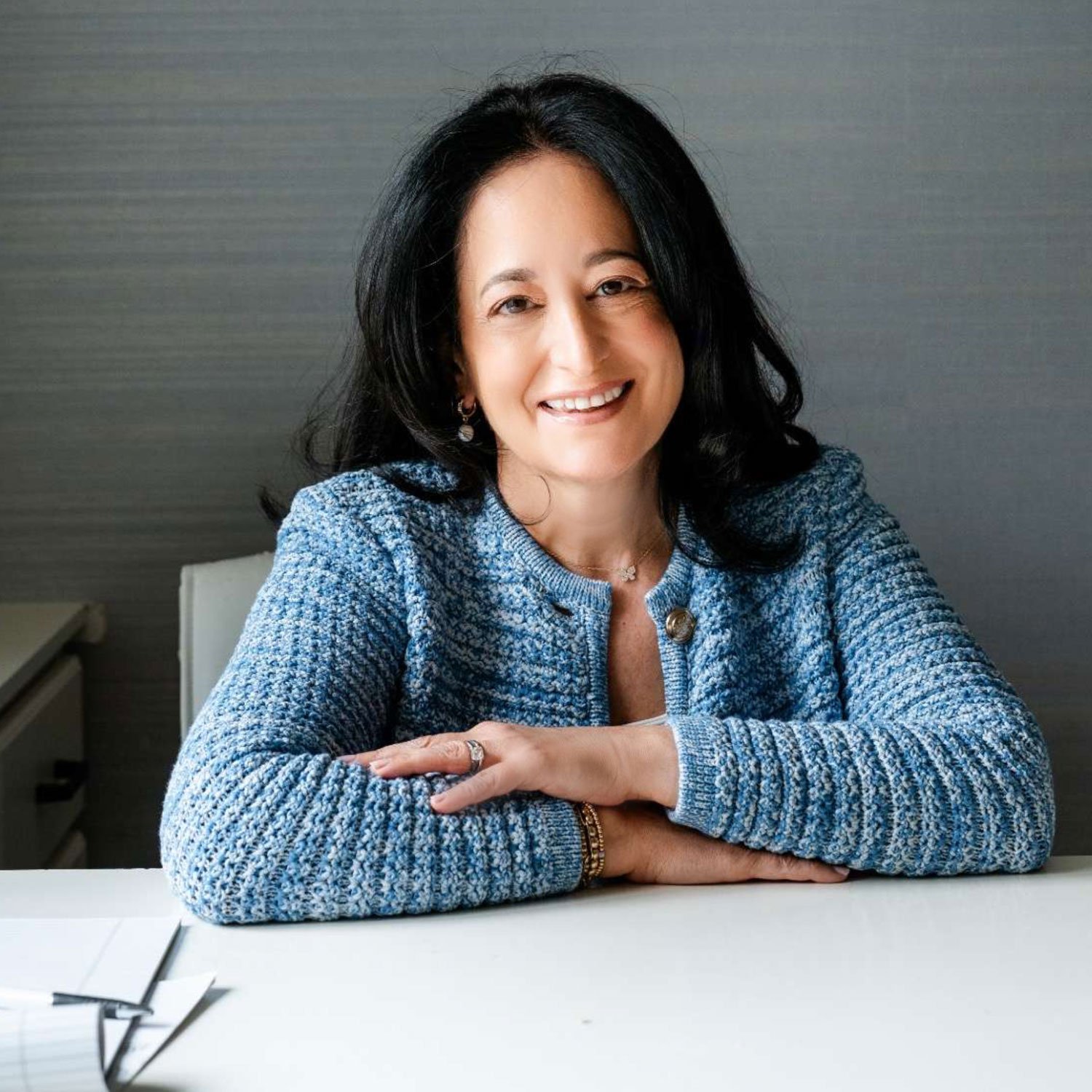
Jessica Freedman, M.D.
Jessica Freedman, M.D.

Jessica Freedman, M.D., is a board-certified emergency physician, former faculty member, medical school admissions committee member, and Associate Residency Director at the Icahn School of Medicine at Mount Sinai. She is the founder and chair of MedEdits Medical Admissions. Since 2007, she has helped thousands of students navigate the medical school admissions and residency match processes, with more than 95% of comprehensive clients gaining acceptance. She is the author of four books on medical admissions and host of The Oath podcast.

Best Medical School Application Timeline (2026 – 2027)

2 min read

Best Medical School Application Timeline (2026 – 2027)

Discover the ideal 2026 medical school application timeline and how to stand out when applying to medical school. We understand that applying to...


Read More
Medical School Letter of Recommendation: The Ultimate Guide (2027)

1 min read

Medical School Letter of Recommendation: The Ultimate Guide (2027)

Reviewed and written by Jessica Freedman, M.D., former medical school admissions committee member at the Icahn School of Medicine at Mount Sinai. ...

Read More
The Best Premed Schools (2026 – 2027)

1 min read

The Best Premed Schools (2026 – 2027)

When I served on the medical school admissions committee at the Icahn School of Medicine at Mount Sinai, I read applications from students at...

Read More